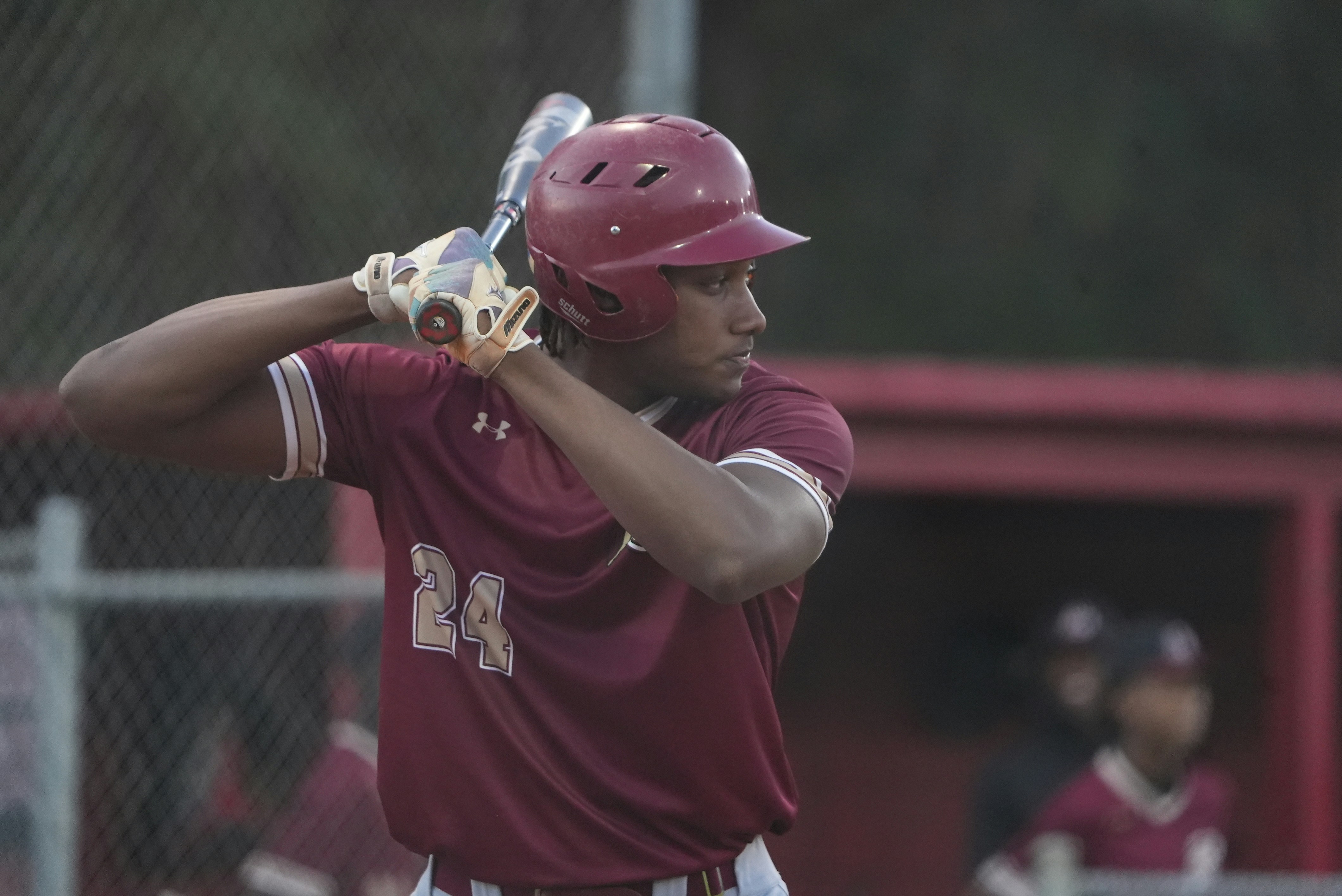
The Evolution of Baseball’s Popularity
Baseball has a rich history that dates back to the early 19th century, emerging as a formal sport in the United States around 1845 with the establishment of the Knickerbocker Rules. As it gained traction, the sport transformed from informal games into organized matches, paving the way for the formation of professional leagues.
The introduction of the National League in 1876 marked a pivotal moment in baseball’s journey, solidifying its status as America’s pastime.
Throughout the ensuing decades, the popularity of baseball underwent significant transformations. The late 19th and early 20th centuries saw the emergence of legendary figures such as Babe Ruth and Jackie Robinson, who not only captivated fans with their exceptional talent but also played crucial roles in breaking social barriers. Ruth’s home runs and Robinson’s groundbreaking entry into Major League Baseball (MLB) in 1947 exemplify moments that transcended the sport, illustrating how baseball became intertwined with American culture and identity.
The post-World War II era witnessed another surge in popularity, fueled by advancements in media coverage. Radio broadcasts brought the game into homes across the nation, captivating audiences who became avid followers of their favorite teams. The later proliferation of television further deepened engagement, allowing fans to experience games live and fostering a sense of community among supporters.
Throughout the late 20th and early 21st centuries, the sport adapted to changing societal trends, introducing initiatives aimed at increasing youth participation and diversifying its fan base.



Today, baseball is not just a game; it represents a cultural phenomenon that spans across generations. Factors such as community involvement, youth programs, and a commitment to inclusivity have contributed to maintaining its relevance and expanding its reach internationally. As baseball continues to evolve, it retains its position as a beloved sport, reflecting the values and traditions of the societies it touches.
Understanding the Background of Baseball
Baseball, often referred to as America’s pastime, has a rich and storied history that dates back to the early 19th century. Its roots can be traced to various bat-and-ball games played in Europe, but it was in America where the modern version of the game began to take shape. The rules of baseball were formalized in 1845 by Alexander Cartwright, a member of the Knickerbocker Base Ball Club in New York City. His contributions laid the foundation for the rapid growth of the sport across the nation.
The establishment of the Major League Baseball (MLB) can be attributed to the formation of the National League in 1876, which created a more organized structure for the sport. The American League followed in 1901, and the two leagues eventually merged, creating the framework for the MLB that we recognize today.
Over the decades, baseball has evolved significantly, influenced by social, economic, and cultural factors. The introduction of the color barrier being broken in 1947 by Jackie Robinson marked a pivotal moment in the integration of Major League Baseball, allowing players from diverse backgrounds to partake in the sport, thereby enriching its tradition and appeal.
Several landmark events have shaped the trajectory of baseball, such as the home run race between Babe Ruth and Roger Maris in the 1960s, which captivated fans and significantly increased the sport’s popularity. Moreover, the expansion of televised games in the latter half of the 20th century introduced baseball to a broader audience, making it a key component of American culture.
This media exposure, combined with the emergence of superstar players like Hank Aaron and later Barry Bonds, has helped maintain baseball’s relevance through changing social landscapes.
Understanding the historical context of baseball reveals how this sport has evolved from a simple game to a significant part of American identity, with deep ties to various cultural movements and social changes. Such a rich history continues to inspire new generations of players and fans alike.
Monthly and Annual Baseball Events to Watch
Baseball, often regarded as America’s pastime, encompasses a variety of events that significantly contribute to its popularity. The Major League Baseball (MLB) season, spanning from late March to early October, serves as the central focus for fans and players alike. This period sees teams engage in 162 regular season games, where rivalries intensify and new talents emerge.
One of the highlights of the baseball calendar is the MLB All-Star Game, typically held in July. This exhibition match showcases the league’s top players, selected by fans and coaches alike, representing an electrifying display of talent and skill. Accompanying the All-Star Game are festivities like the Home Run Derby, where players compete in a light-hearted yet competitive environment that excites fans.


As the regular season concludes, the excitement escalates with the MLB playoffs, which commence in early October. This series of elimination rounds culminates in the World Series, held at the end of October, where the champions of the American and National Leagues vie for the coveted championship title.
The World Series not only garners massive viewership but also captures the attention of a global audience, reflecting the sport’s extensive reach.
Beyond the major leagues, numerous community events and tournaments celebrate baseball at various levels. Local leagues and youth tournaments provide platforms for aspiring players, promoting the sport’s grassroots connections.
Events such as Little League World Series, held annually in August, resonate with families and communities, reinforcing the sport’s legacy and inspiring future generations. Marking these key events on calendars ensures baseball enthusiasts do not miss out on the vibrant tapestry that makes up the baseball landscape.
The Role of Sports Fitness in Baseball
Baseball is a physically demanding sport that requires a blend of strength, agility, endurance, and flexibility. These attributes are essential not only for optimum performance on the field but also for preventing injuries that can plague players throughout their careers. The fast-paced nature of the game, combined with the necessity for explosive movements such as sprinting, throwing, and batting, makes fitness a crucial aspect of the sport.
Common training regimens in baseball focus on various elements of physical fitness. Strength training is vital, as players must develop core, upper body, and lower body strength to excel in their positions. Weight lifting, resistance exercises, and plyometrics are frequently incorporated into players’ workouts to enhance muscle growth and performance capabilities.
Additionally, speed and agility drills play a significant role in helping athletes improve their reaction times and base-running speed.
Endurance training is also paramount in a sport where games can last several hours, often leading to fatigue that can affect performance. Players typically engage in cardiovascular exercises, such as running and cycling, to build their stamina. Flexibility training, including stretching routines and yoga, helps improve range of motion and reduces the risk of injuries, which are common due to the repetitive motions associated with throwing and swinging.
In recent years, fitness trends in baseball have evolved, integrating advanced technology and personalized training programs. Wearable devices that monitor heart rates and biometric data allow players to tailor their training to their individual needs.
Furthermore, the introduction of nutritionists and sports psychologists into training regimens underscores the growing recognition that mental health and nutrition are equally as crucial in enhancing athletic performance.
Healthy Nutrition for Athletes in Baseball
Nutritional strategies play a pivotal role in the performance and overall well-being of baseball athletes. Proper nutrition not only fuels an athlete’s body but also aids recovery, enhances endurance, and boosts mental focus on the field. Understanding the significance of hydration, meal timing, and the right balance of macronutrients can make a considerable difference in a player’s performance levels.
Hydration is one of the most critical factors in an athlete’s nutritional regimen. Maintaining optimal fluid levels is essential, particularly in the heat of the baseball season, where players often exert themselves physically. Dehydration can lead to fatigue, decreased cognitive function, and increased risk of injury.
Therefore, it’s advisable for players to regularly consume water, and electrolyte-rich drinks, especially during intensive practices and games, to maintain hydration balance.
Meal timing also plays a crucial role in ensuring that baseball athletes are energized throughout their games and practice sessions. It is recommended that players consume balanced meals with adequate carbohydrates, proteins, and fats at appropriate intervals—pre-game, during, and post-game.
Pre-game meals should focus on easily digestible carbohydrates to provide quick energy, while post-game nutrition should emphasize protein intake to facilitate muscle recovery. Incorporating healthy snacks during periods of travel or downtime can also maintain energy levels.



To achieve the right macronutrient balance, incorporating a variety of foods can help meet nutritional demands. Players should aim for approximately 55-65% of their caloric intake from carbohydrates, 15-20% from protein, and 25-30% from healthy fats. Examples of ideal meals include grilled chicken with quinoa and vegetables, or whole grain wraps filled with turkey and avocado.
Consultation with sports nutritionists can further personalize an athlete’s nutritional plan, ensuring it aligns with their specific needs and enhances their performance on the field. By prioritizing nutrition, baseball athletes can maximize their potential, contributing to their team’s success and maintaining their health over time.
Essential Equipment for Baseball Success
Baseball, as one of America’s beloved sports, requires a range of essential equipment to ensure both the safety and performance of players. From bats and gloves to protective gear, each component plays a critical role in a player’s success on the field. First and foremost, the baseball bat is crucial.
With advancements in materials such as composite and aluminum, modern bats have become more lightweight and durable, enabling players to achieve greater bat speed and power. Choosing the right bat, which aligns with both league regulations and individual player preferences, is essential for optimizing performance.
Another vital piece of equipment is the glove. The design and construction of baseball gloves have evolved significantly over the years, with innovations that enhance fit and control. Modern gloves are often crafted from high-quality leather and synthetic materials, which provide better grip and flexibility.
It’s important for players to consider their fielding position when selecting a glove; for instance, infielders typically prefer smaller gloves for quicker play, while outfielders benefit from larger gloves to secure catches in the air.
Protective gear cannot be overlooked, especially for youth and amateur players. Helmets and shin guards are crucial in preventing injuries during gameplay. Recent innovations in protective equipment, such as lightweight materials and advanced shock absorption technology, have improved safety without compromising comfort.
For amateur players, investing in quality gear can significantly reduce the risk of injury while allowing them to focus on honing their skills. In professional leagues, players often customize their equipment to suit personal preferences, ensuring optimal performance on the field.
Overall, the evolution of baseball equipment continues to enhance player experience and performance. With the right tools—bats, gloves, and protective gear—players can maximize their potential and enjoy the game to its fullest.
An Inside Look at Major League Baseball (MLB)
Major League Baseball (MLB) is the highest level of professional baseball in the United States and Canada, comprising 30 teams divided into two leagues: the American League (AL) and the National League (NL).
Founded in 1903, MLB has become a pivotal entity in the sports industry, influencing both local communities and international audiences. Each franchise attracts a diverse fan base, further entrenching baseball’s status as America’s pastime.
The structure of MLB is not merely a collection of teams; it is a well-organized system that promotes competitiveness and talent development. Each season begins with spring training, where players prepare for the upcoming games, allowing teams to evaluate talent through various workshops and exhibitions.
The regular season follows, consisting of 162 games for each team, culminating in the postseason, where teams vie for the prestigious World Series championship. This tournament not only showcases the best talents in baseball but also underlines the significance of MLB within the broader framework of professional sports.
MLB is also known for its commitment to community outreach and player development. Initiatives such as the MLB Youth Academies aim to provide young athletes with access to training and resources, fostering the next generation of baseball players.
Additionally, MLB collaborates with local organizations to promote health and wellness, ensuring that baseball remains accessible to various communities across North America. The league’s partnership with the Players Association also emphasizes social justice efforts, further solidifying MLB’s role as a responsible corporate citizen.



Major League Baseball stands as a significant pillar in the sports industry, blending competitive spirit with community engagement. Through its structured approach to team organization and dedication to player development, MLB continues to shape the future of baseball while enriching the lives of fans and communities alike.
The Cultural Impact of Baseball
Baseball, often referred to as America’s pastime, has woven itself into the very fabric of American culture. This sport transcends the boundaries of the field, influencing social identities, literature, art, and community cohesion. The cultural significance of baseball can be observed in its ability to act as a mirror reflecting societal values and transformations, particularly during pivotal moments in history.
Throughout the years, baseball has served as a platform for social change, notably during the civil rights movement when players like Jackie Robinson broke racial barriers by integrating Major League Baseball in 1947. His courageous participation did not merely revolutionize the sport but also resonated deeply within the civil rights community, inspiring many to challenge segregationist policies.
The legacy of Robinson and others who followed him exemplifies how baseball has shaped and reflected broader societal movements, reinforcing the sport’s role as a catalyst for change.
Art and literature have also drawn heavily from the world of baseball, with numerous works capturing the spirit, struggles, and triumphs associated with the game. Renowned authors such as W.P. Kinsella in “Shoeless Joe” and Roger Angell in “The Summer Game” have elevated baseball narratives, probing the intricacies of human emotion and experience within the context of the sport.
These literary explorations often delve into themes of ambition, nostalgia, and community, emphasizing the deep-rooted connections individuals have with the game.
Moreover, baseball functions as a unifying force, uniting individuals from diverse backgrounds and cultures. Night after night, fans gather in stadiums or in living rooms, bonding over the shared experience of rooting for their teams. This camaraderie fosters a sense of belonging and identity within communities, offering a common ground where people can celebrate their differences while sharing a collective passion for the sport.
The Future of Baseball: Trends and Predictions
The landscape of baseball is ever-evolving, influenced by various factors including technological advancements, shifts in player demographics, and changes in spectator preferences. One of the most significant trends shaping the future of the sport is the increased focus on analytics. Teams are leveraging data-driven insights to optimize player performance and game strategies.
This analytical approach not only enhances the decision-making process for coaches and management but also encourages the next generation of athletes to develop a more scientific understanding of the game. As the quality of data collection improves, we can expect that analytics will become even more integral to training regimens and game-play decisions.
In addition to analytics, technology is set to play a pivotal role in the future of baseball. Innovations such as virtual reality and advanced biomechanical assessments are making their way into training programs. These technologies provide players with opportunities to refine their skills in immersive environments, thereby enhancing their competitive edge.
Moreover, augmented reality experiences are emerging to engage fans during games, allowing them to access detailed player statistics and interactive graphics in real-time, thereby enriching their overall viewing experience.
Another burgeoning trend is the diversification of the fan base. As baseball continues to grow in popularity among younger audiences, the MLB is likely to adapt its branding and marketing strategies to better resonate with this demographic. This may include a more significant emphasis on social media outreach, community engagement, and family-friendly events at ballparks.
Inclusivity initiatives are also gaining traction, with efforts to make the sport accessible to underrepresented communities through outreach programs and participation opportunities.
In conclusion, the future of baseball appears promising, marked by the integration of technology and analytics, a changing fan landscape, and a commitment to inclusivity. These trends are not only set to alter how the game is played but also how it is experienced by spectators, ultimately ensuring the enduring legacy of baseball.